REVIEW · HVAR CITY
Hvar: Pakleni Islands Self-Guided Kayaking Tour
Book on GetYourGuide →Operated by Kayak & SUP Hvar · Bookable on GetYourGuide
Saltwater therapy starts at Bonj Beach. This self-guided Hvar to Pakleni kayaking setup makes it easy to spend the day on calm coves and pine-shaded shores at your rhythm, with staff support before you launch (and people like Marcus are especially good at map guidance). I also like the sit-on-top kayaks with deluxe seats and fully open decks—stable, beginner-friendly, and practical for long legs and hot weather.
The main thing to consider is conditions: the open-water paddle between Hvar and the Pakleni Islands can feel choppier when wind rises or when boat traffic sends waves your way, so you’ll want solid upper-body stamina and nerves.
In This Review
- Key things that make this kayaking outing work
- Bonj Beach in Hvar: where your kayak day starts
- Gear that earns its keep: sit-on-top kayaks, dry bags, and built-in comfort
- Single vs tandem: how to pick the right kayak for your day
- Leaving Hvar: planning for wind, boats, and that first big stretch
- Pakleni Islands at your pace: how the self-guided stops actually feel
- A realistic flow for the day
- An example stop: Zdrilca Beach (and why it’s useful to know)
- Snorkeling and beach time: what’s included and what to bring
- Keeping your map usable
- How long should you rent: quick loop or full day to Pakleni?
- Price and what you’re really buying
- Weather calls: when the tour shines and when you should expect changes
- Who should book this Hvar to Pakleni self-guided kayak?
- Should you book this self-guided kayaking tour from Hvar to Pakleni?
- FAQ
- How long does it take to paddle from Hvar to the Pakleni Islands?
- Are the kayaks self-guided or do I follow a group?
- What equipment is included in the rental?
- Do I need to bring snorkeling gear or a change of clothes?
- Is the tour suitable if I can’t swim?
- What happens if the weather isn’t good for kayaking?
Key things that make this kayaking outing work
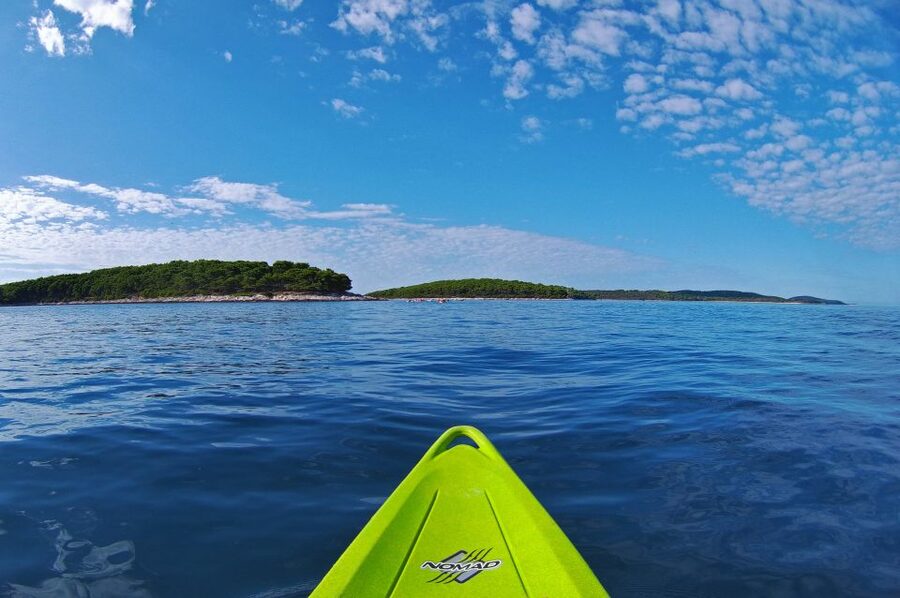
- Self-guided route choices based on weather and your pace, so you’re not stuck on a rigid schedule
- Sit-on-top stability plus life jackets, which feels reassuring for first-timers who want the freedom of sea time
- Dry bags (3L or 30L) let you bring a phone/camera safely and pack towels, layers, and shoes without drama
- Snorkeling masks included for quick swim-and-check-the-rocks moments at pebble beaches
- Map + clear instructions with timing guidance, so you can plan a short loop or an all-day crossing
- Tracker and storage for peace of mind, with bags protected by a waterproof system
Bonj Beach in Hvar: where your kayak day starts
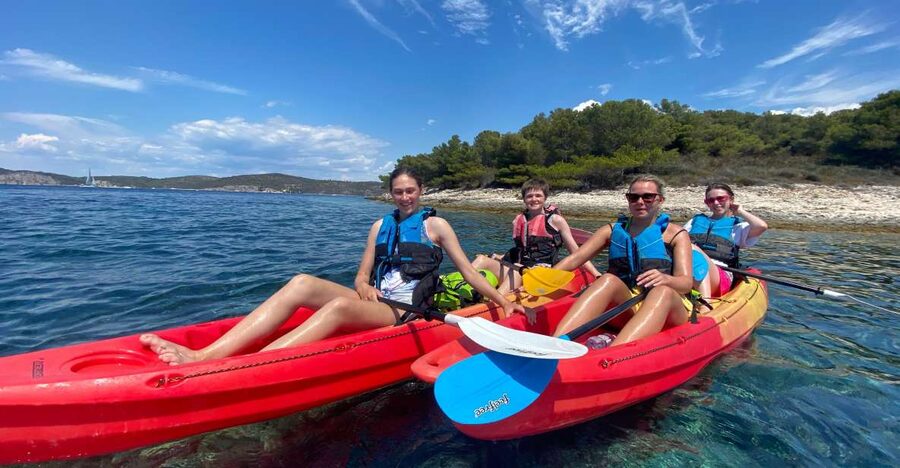
Your day begins on the beach of Bonj, right in front of Hotel Amfora. The meeting spot is easy to find once you know the landmark: from Hvar’s main square, walk about 700 meters west along the coast, pass a small bridge near Hotel Amfora, and look for a wooden hut on the pebble beach.
Why this matters: you’re starting from the most “kayak-accessible” part of town, so you’re not spending half your morning on transfers. You also get a beach-level start that feels natural—grab your gear, step down, and you’re on the water fast.
After arrival, the team focuses on two things: getting you ready to paddle and getting you oriented. You’ll receive safety guidance and instructions on how to use the equipment, plus a map of Hvar and Pakleni islands that lays out where to go and what to see.
Gear that earns its keep: sit-on-top kayaks, dry bags, and built-in comfort
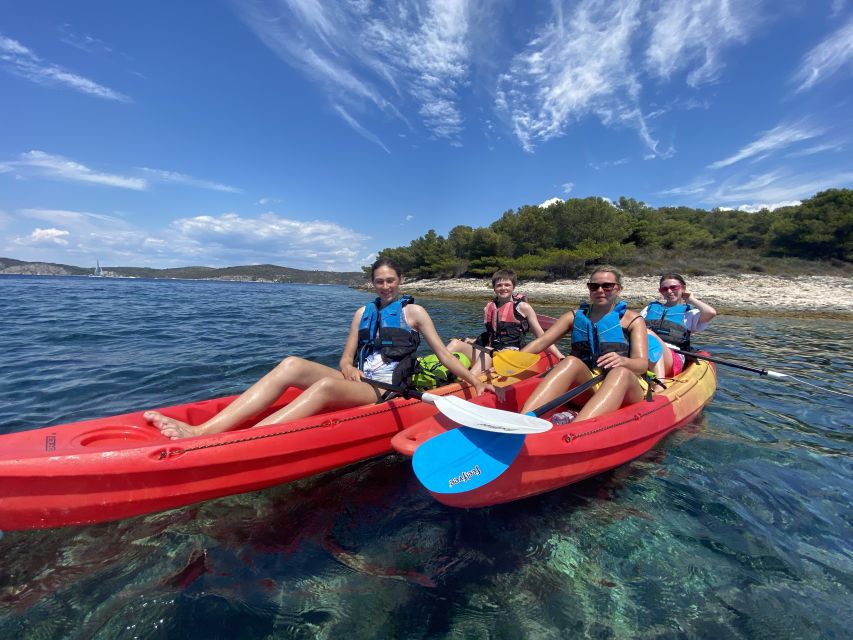
This is not the “borrow a beat-up boat and hope for the best” kind of rental. The kayaks are modern sit-on-top models, offered as single and double (tandem) versions. They’re fitted with deluxe seats and paddles, and they include the extra safety gear you’d want in open water: life jackets are part of the package.
Here’s what I’d watch for if you’re picky (and you probably are):
- Open deck design: if a kayak tips, you’re not trapped inside the hull. That lowers panic when the sea gets lively.
- Stability: the wide bottom helps. Even if you’re not athletic, you can usually find balance quickly.
- Foot-friendly for longer legs: sit-on-top kayaks tend to feel more flexible than sit-in styles.
The real hero, though, is the waterproof dry bag. You get 100% waterproof dry bags in either 3 liters or 30 liters, included in the rental. That lets you carry the stuff you normally have to leave ashore: towel, spare clothes, shoes, and—when properly closed—your phone or camera.
A smart detail: there’s also free storage for your belongings (backpacks and bags) so you’re not juggling personal items on the pebbles. Multiple people note a tracker inside the dry bag, which the staff can use to monitor location if anything goes off-plan.
Single vs tandem: how to pick the right kayak for your day
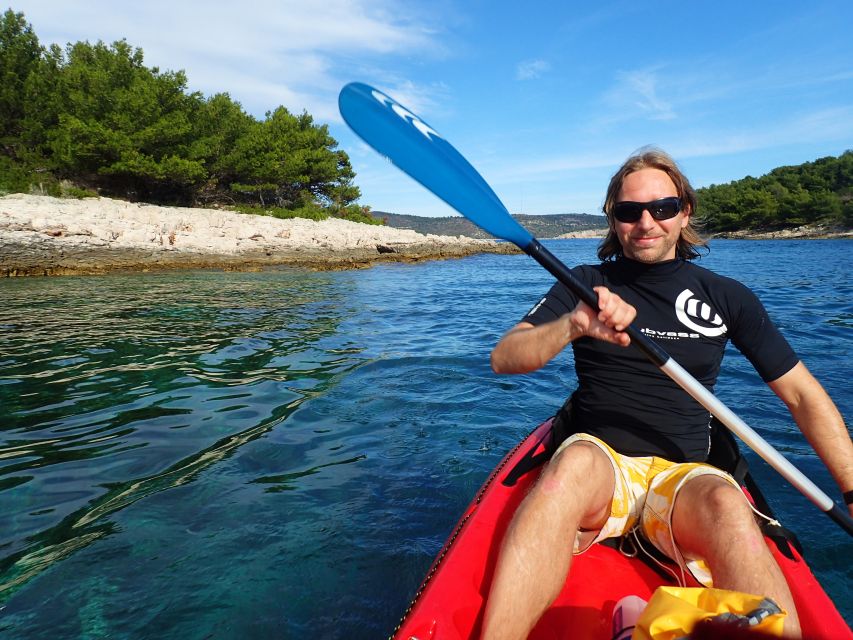
The double option is more than a crowd-pleaser. If you’re sharing the water with a partner, friend, or kid, tandem can turn the day from “all paddling, all the time” into “you can take real breathers.”
In practice, tandem works especially well when:
- You want someone to alternate paddle effort so arms don’t feel cooked by the time you reach Pakleni
- One person is less confident and you’d like a calmer workload overall
- You want to chat, look around, and still make forward progress without rushing
Singles work great too, but the tradeoff is effort. One review made the point clearly: single kayaks can feel more demanding when wind and swell show up. If you’re new to paddling or you don’t love the idea of long pulls, tandem is the kinder choice.
Leaving Hvar: planning for wind, boats, and that first big stretch
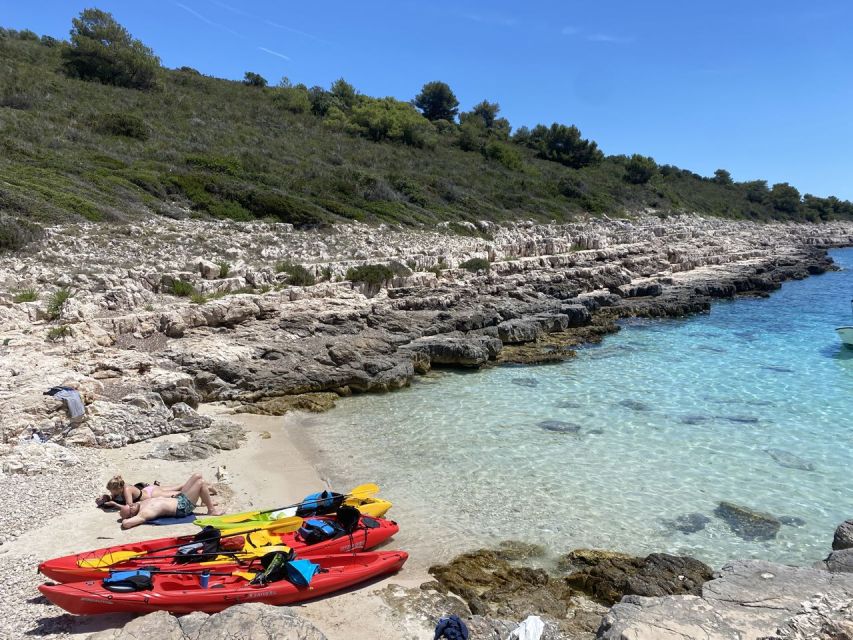
The paddle from Hvar to the Pakleni Islands is straightforward on paper, but it’s the part that decides how relaxed the rest of the day feels.
The timing guidance is clear: you should expect about 40–60 minutes one way to reach many of the most attractive spots. That means you’re basically paying for two things:
1) real sea time
2) a return journey that still leaves you energy for swimming, not just paddling home
Also, watch what happens near the port lanes. You may encounter waves created by boat arrivals and departures, especially on busier days or when wind pushes chop into your route. Even if the distance isn’t huge, that swell can make paddling feel harder than you expected—more work for your arms and shoulders.
My practical advice: treat the crossing as part of the itinerary, not the warm-up. Start steady, keep your effort even, and don’t sprint early just because the horizon looks easy.
Pakleni Islands at your pace: how the self-guided stops actually feel
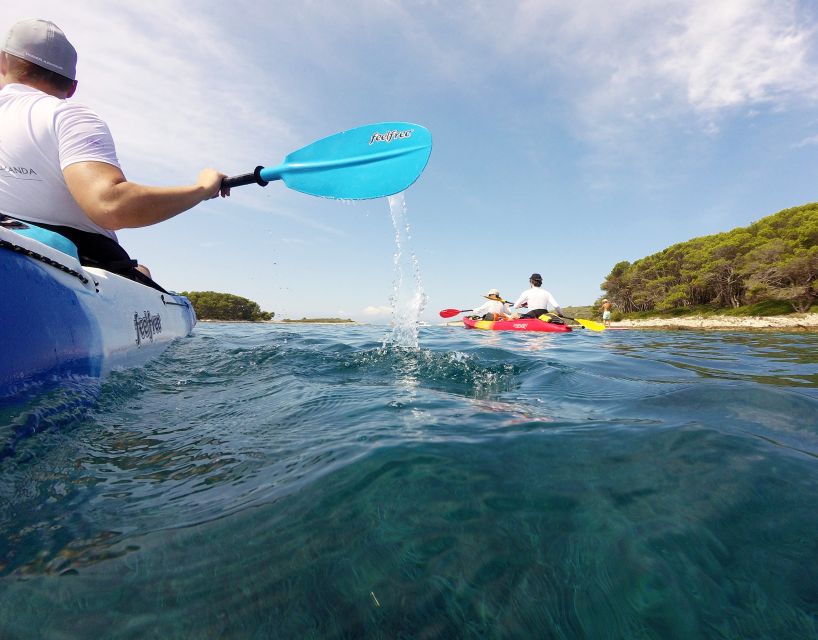
The best part of this tour is the freedom. It’s self-guided, which means you decide:
- how many stopping points to hit
- how long to stay at a beach
- when you want to snorkel, swim, or simply rest in the shade
The map and instructions are designed for that. You’ll get recommended stopping points with guidance on how long it takes to get between them, and the staff will adjust your suggested route depending on weather conditions.
What you’re chasing out there: hidden bays and beaches away from the busiest crowd zones, with coastlines that often feel calmer once you’re off the main water lanes. The Pakleni Islands are known for pine trees, which is more than scenery. Shade becomes a practical asset when the sun is strong.
A realistic flow for the day
Because the route is flexible, think in phases:
- Phase 1: Hvar to the first Pakleni area
You cross, then look for a pebble beach you can safely land on to reset.
- Phase 2: swim-and-snorkel breaks
Many stopping points are designed for easy shore access. You can pull your kayak in and spend time in clear water.
- Phase 3: island time (food, drinks, and lounging)
Some beaches come with nearby restaurants. This is where you slow down and actually enjoy the islands, not just pass by them.
- Phase 4: your turn-back decision
With up to a full-day rental, you can come back when you still feel good, rather than rushing.
An example stop: Zdrilca Beach (and why it’s useful to know)
One named beach that shows up in guidance is Zdrilca Beach. It’s a good example of why you’ll want to think about the “on shore” side of the day, not only the kayaking.
A note to keep in your head: there can be a seating fee reported as 15 euros per person at one stop area. Also, a nearby restaurant called Tri Grede was recommended—but it was reported to accept cash only. Translation: bring some cash and plan for small extra costs when you decide to linger.
Even if you don’t follow that exact stop, the lesson holds. Some shore spots are set up like little private beach hubs. Look for what’s required before you park your towel.
Snorkeling and beach time: what’s included and what to bring
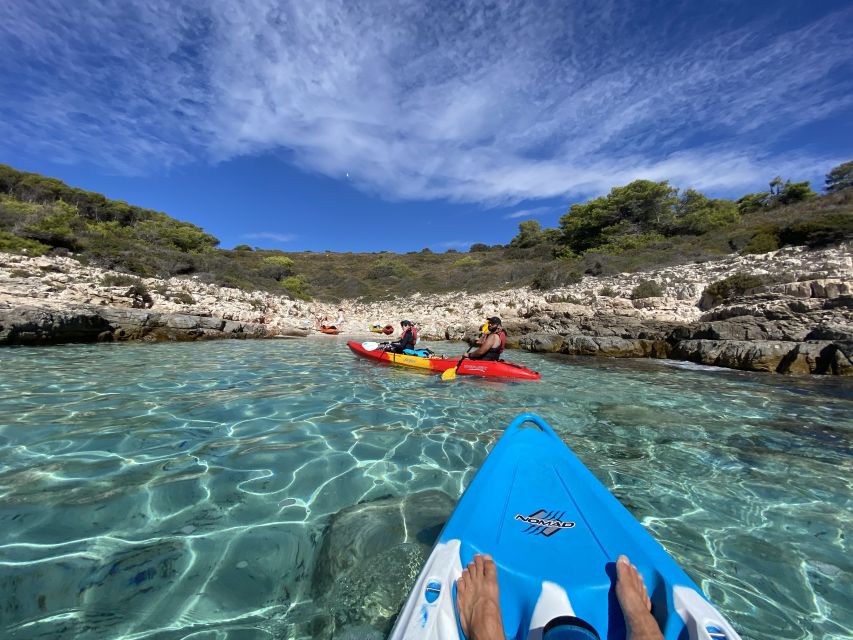
You’ll get snorkeling masks included, which makes your stop-and-swim breaks more fun without extra rental hassle. The Pakleni shoreline includes pebble beaches where it’s practical to beach the kayak and explore the water nearby.
On your side, pack the basics:
- Swimwear
- A towel
- Water
That last one is bigger than it sounds. The sun and wind can trick you into drinking less than you should. One review shared a pretty blunt detail: water prices on the islands can be high, with a reported 5.50€ for 0.5 liters. You don’t want to be stuck cutting your swim short because you ran out of hydration.
Also, bring sunscreen seriously. One person pointed out how easy it is to get burned without realizing it, especially with a breeze on the water. The team may provide a sun hat and a water-resistant watch (if needed), but sunscreen still belongs in your bag like it’s non-negotiable.
Keeping your map usable
One small downside to know: the map is paper. If it gets wet, it can become unreadable quickly. I’d treat the map like a shore tool:
- look it over before you paddle
- use it while you’re on land
- don’t leave it flapping at sea level
If you like redundancy, keep your phone charged and ready as a backup reference, since the dry bags are meant for keeping electronics safe in the first place.
How long should you rent: quick loop or full day to Pakleni?
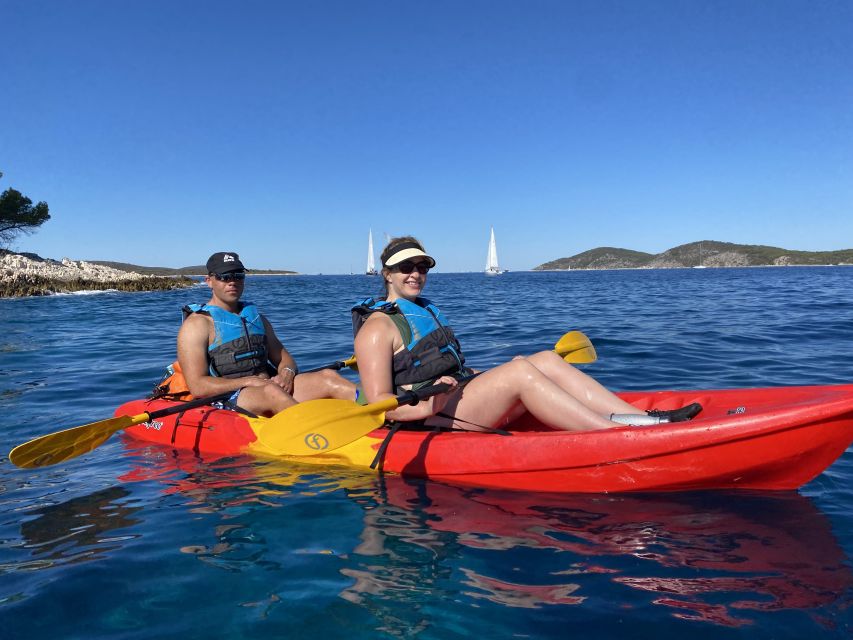
Your time window is where value shows up. The guidance is practical: for most attractive places, expect 40–60 minutes one way. That means a short rental can feel like “one crossing, one stop, then back.”
If you want the experience that matches the marketing (bays, beaches, and real island time), go longer:
- A full day rental is recommended, because it gives you enough minutes for paddling and enough calm time to actually enjoy Pakleni.
- They offer discounts/special rates for full day rentals, with time up to 8 hours.
Value check: you’re paying for modern gear, waterproof storage, life jackets, snorkeling masks, a map, and safety instructions that help you use the kayak smartly. If you use the full day well—swimming at multiple stops, not just paddling—you squeeze more out of the price.
Price and what you’re really buying
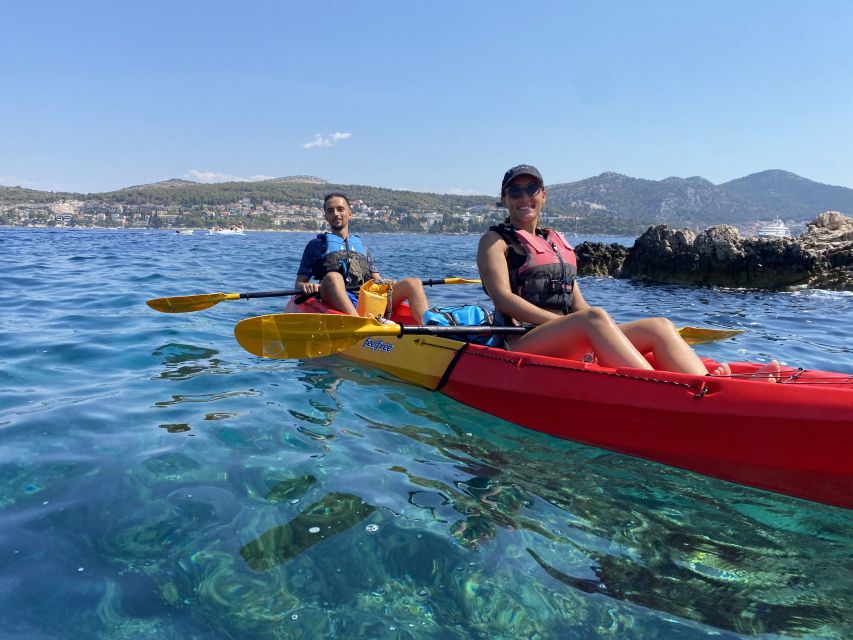
The price listed is $60 per group up to 1, and the experience is structured like a rental with guidance rather than a long group tour bus-style day. That can be good news for solo paddlers or pairs who want freedom.
The key value question is: are you using the included gear and time?
- If you only do a quick hop, you may feel like you spent more on crossings than on island time.
- If you go closer to a full day, the included dry bag volume, snorkel masks, and the map-based routing start to feel like a proper “day at the beach, but on your own boat.”
If you’re deciding between one shorter paddle session and a full day, I’d pick the option that gives you time to breathe. Pakleni is about slowing down on shore.
Weather calls: when the tour shines and when you should expect changes
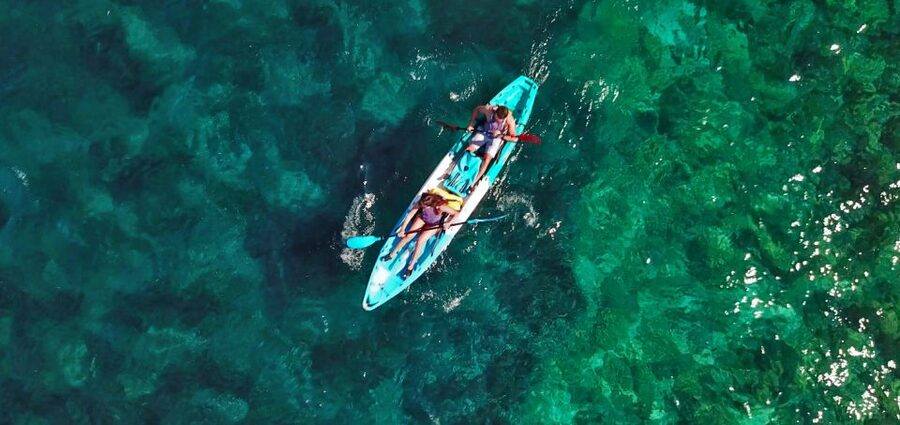
This is an outdoor kayaking day, so the sea decides a lot. The operation includes weather awareness:
- If the weather isn’t suitable, they’ll inform you a day or two in advance so you can change or cancel free of charge.
That matters because kayaking comfort isn’t just about wind speed—it’s about waves and water movement. When conditions line up, you’ll get a peaceful rhythm: paddle, drift into a bay, snorkel, repeat. When conditions don’t, the crossing can feel work-heavy.
If you’re the type who hates uncertainty, check the weather early and be honest about your fitness level. This is labeled as not suitable for non-swimmers and not ideal for low-fitness participants.
Who should book this Hvar to Pakleni self-guided kayak?
This tour fits best if you want:
- A flexible day where you control stop times
- Clear safety setup without feeling overly rigid
- Modern equipment plus waterproof carry space
- The chance to explore pebble beaches and pine-shaded shoreline at your pace
It’s also a great pick if you’re traveling with a friend or family member and want the “two-person rhythm” of tandem. If you’re solo and confident paddling, single works, but be mindful that stronger wind and swell can make the arms work harder.
If you’re not a swimmer, don’t self-assess your way past that. The day involves open water and beach landings. Choose something else if swimming comfort isn’t there.
Should you book this self-guided kayaking tour from Hvar to Pakleni?
Yes, with one condition: book it if you want independence and you can handle a real sea crossing.
I’d say book it if:
- you like planning your own breaks
- you want to snorkel and relax on pebble beaches
- you value included dry-bag protection and map guidance
- you’re okay with wind and boat waves being part of the experience
Skip it if:
- you want a gentle, protected-water day only
- your fitness level is low or you’re not comfortable in open water
If you book, do yourself a favor: bring extra water, keep sunscreen and a hat front-and-center, and use the map like a tool, not a decoration. That’s how the day turns from kayaking into a proper Pakleni-style escape.
FAQ
How long does it take to paddle from Hvar to the Pakleni Islands?
Most attractive spots are about 40–60 minutes one way. That’s why a full-day rental is recommended.
Are the kayaks self-guided or do I follow a group?
It’s a self-guided experience. You’ll get detailed instructions and a map showing where to go and what to see, plus safety guidance.
What equipment is included in the rental?
You get a modern sit-on-top kayak (single or double), life jackets, paddles, 100% waterproof dry bags (3L or 30L), snorkeling masks, and a map. There’s also free storage for your belongings.
Do I need to bring snorkeling gear or a change of clothes?
No snorkeling gear is needed since masks are included. You should bring basics like swimwear and a towel, and you can pack extra clothes in the waterproof dry bag.
Is the tour suitable if I can’t swim?
No. It’s not suitable for non-swimmers.
What happens if the weather isn’t good for kayaking?
If conditions aren’t suitable, they’ll let you know a day or two in advance so you can change or cancel free of charge.