REVIEW · DUISBURG
Duisburg: Scavenger Hunt Self-Guided Tour
Book on GetYourGuide →Operated by Stadtspiel Schnitzeljagd GmbH · Bookable on GetYourGuide
A city game that turns Duisburg into a puzzle walk. I like the self-guided riddles that keep you moving and the Lifesaver fountain landmark that gives the route a real focal point. The one drawback: if you already know Duisburg well, the game can feel a bit slow by the 90-minute mark.
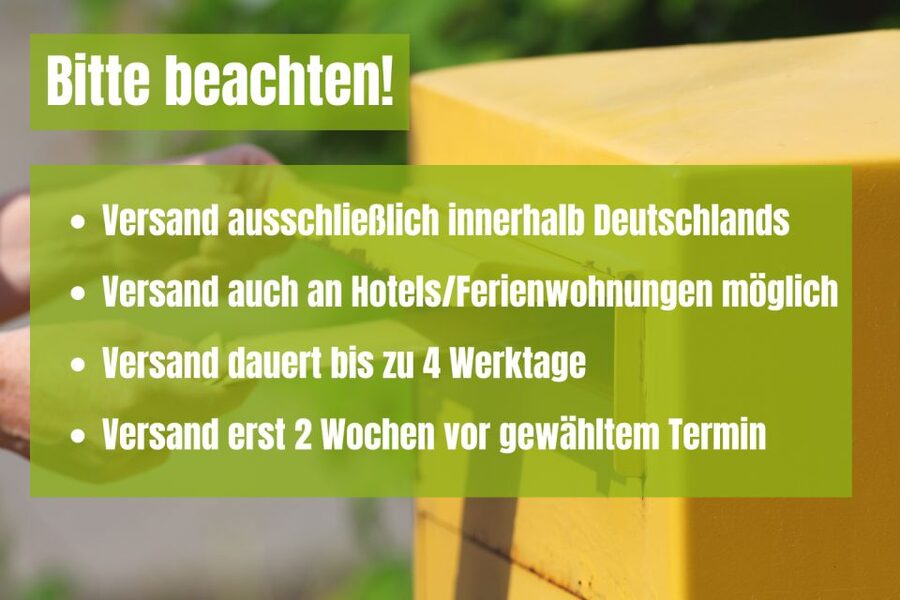
You start with no guide waiting for you, just a game box with 11 numbered envelopes and step-by-step direction. You can pause whenever you want for photos or breaks, which is handy in a city where walking plans often beat rigid schedules. One thing to consider up front: the box ships by mail and you cannot pick it up in Duisburg.
In This Review
- Key highlights worth your time
- Why a self-guided Duisburg game feels better than a set itinerary
- Meeting on Königstraße: where the route starts and how it really runs
- Kantpark: using early art clues to get oriented fast
- Dellplatz and the Lifesaver fountain: the landmark that anchors the route
- Town hall and the old market: where civic clues add meaning
- Inner harbor: Duisburg’s newer face and a satisfying walking payoff
- The Gerhard Richter subway station and the city theater finish
- Timing, pacing, and why 210 minutes is a good target
- Price and value: $47 per group up to 10
- Who this scavenger hunt suits best
- Quick practical tips before you go
- Should you book Duisburg: Scavenger Hunt Self-Guided Tour?
- FAQ
- Do I need a guide for this Duisburg scavenger hunt?
- How long does the scavenger hunt take?
- Where do I start the tour?
- What happens if I get stuck during the game?
- Are entrance fees or transport included?
- What is the price?
Key highlights worth your time
- 11 sealed envelopes with riddles that unlock the next envelope number as you go
- Königstraße start at the Tourist Information Center area, easy to find and convenient
- Lifesaver fountain (Dellplatz) as a built-in “find this” landmark
- Gerhard Richter subway station for a design stop you can actually reach on foot
- Inner harbor and town center sights stitched into one logical walking loop
- Emergency envelope if you get stuck and need the solutions
Why a self-guided Duisburg game feels better than a set itinerary
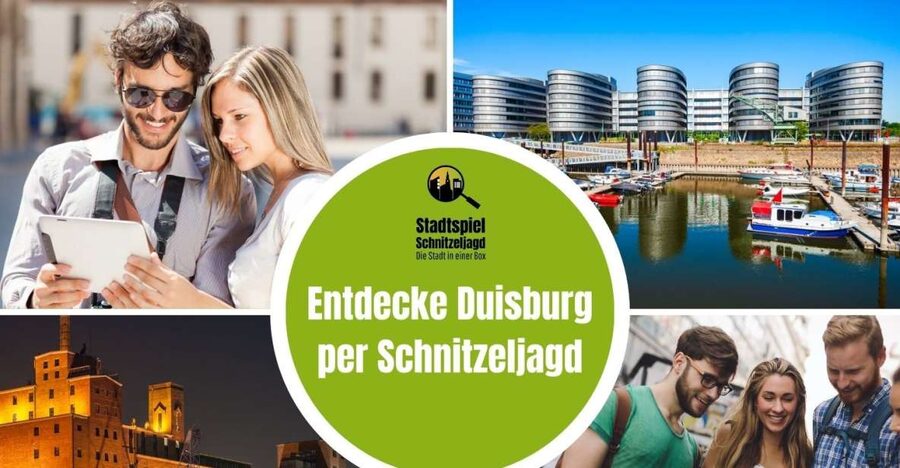
This kind of scavenger hunt works because it gives you a reason to look closer. Instead of following a script, you’re solving prompts tied to major places—so each street corner has a purpose. It’s sightseeing with momentum, and you control the pace.
I also like the structure: 11 sealed envelopes means you’re not guessing what comes next. The game gives numbers after each riddle, so you always know which envelope to open next. That keeps it fun without turning into a random walk where you feel lost or left behind.
The best part is flexibility. The route is built for walking, but you can pause anytime—take photos, read signs, or catch your breath. That matters more than people think, especially if your group includes different ages or walking speeds.
Meeting on Königstraße: where the route starts and how it really runs
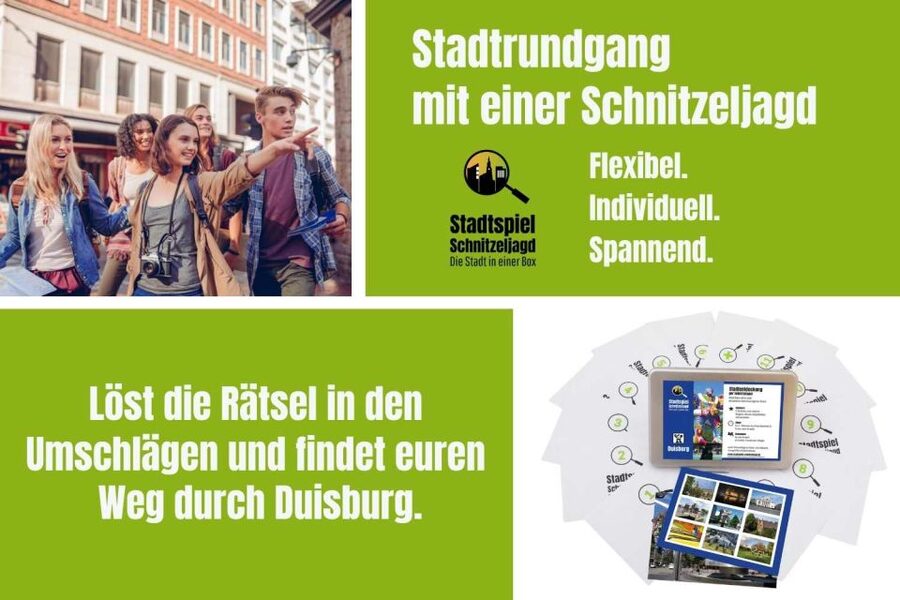
You begin in front of the Tourist Information Center in Duisburg on Königstraße, a popular shopping street in the city. There’s no guide at the meeting point, so the game is truly self-run: bring your mailed scavenger hunt box with you and start whenever you like.
Inside the box, you’ll get sealed and numbered envelopes. Each one contains riddles, directions, and useful background notes tied to the next stop. When you solve a riddle, you’re given a number that tells you which envelope to open next—so the sequence is controlled by your progress, not by a fixed “open Envelope 1, then 2” routine.
One practical tip: give yourself time to read. Many self-guided games can feel like you’re rushing because you’re trying to finish quickly. This one is more satisfying if you slow down just enough to follow the directions carefully and absorb the short info pieces.
Kantpark: using early art clues to get oriented fast
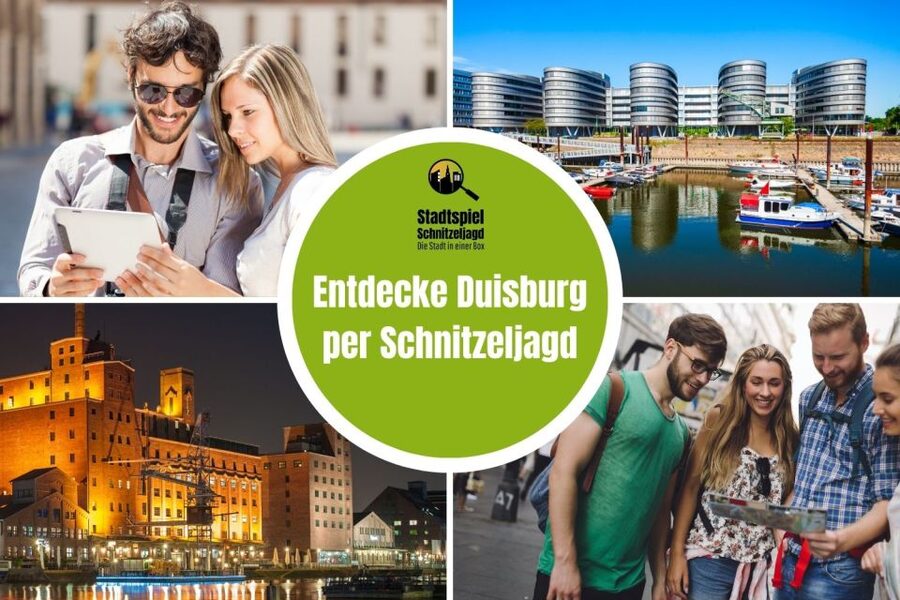
Your first sightseeing stop after Königstraße is Kantpark, where you can discover art objects. This is a smart opening: parks are good places to settle your bearings, and art gives you something visual to react to while you’re getting the hang of the envelope rhythm.
Because the game is driven by riddles, Kantpark isn’t just a “walk through a park” moment. You’re looking for answers, using the scene as your reference point. That makes it easier to enjoy the green space instead of treating it like a break between major sights.
A small consideration: since it’s early in the route, you’ll set your pace here. If you power through too quickly, you’ll run out of energy before the middle of the walk. If you read carefully and take the first solves calmly, the rest of the game tends to feel smoother.
Dellplatz and the Lifesaver fountain: the landmark that anchors the route

Next up is Dellplatz and the Lifesaver fountain, which is described as Duisburg’s landmark. When a route includes an unmistakable focal point like this, it helps you feel oriented even if you take detours for photos.
What I like about landmark-based clues is that they turn “sightseeing” into “recognition.” You’ll be able to spot what you’re looking for, then work the riddle using what you see around it. That gives you a satisfying loop: look, solve, move.
If your goal is to see major city icons without wandering randomly, this is one of the moments that makes the game worth it. It’s not just about collecting points; it’s about experiencing the city’s visual identity in the middle of your walk.
Town hall and the old market: where civic clues add meaning
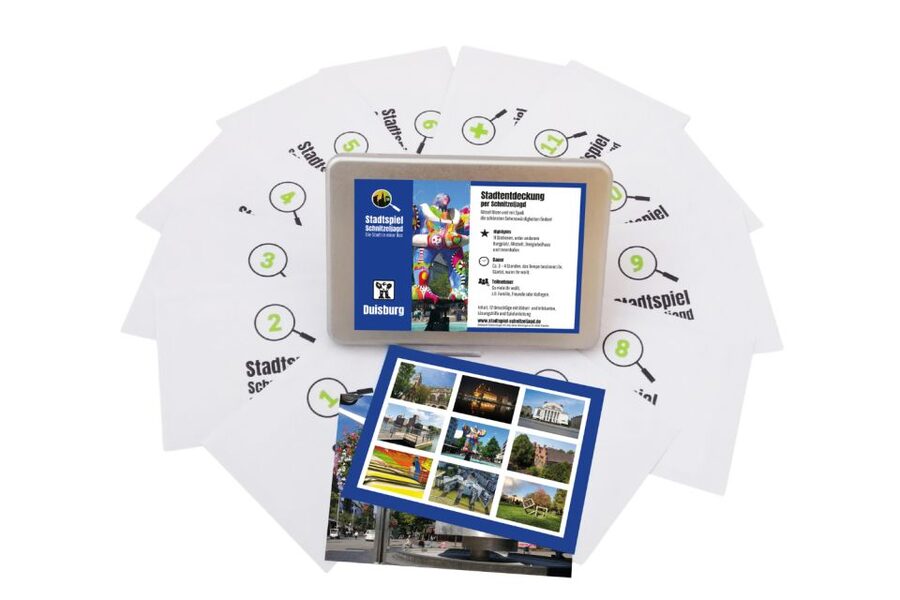
As you continue, you’ll explore the town hall and the old market. This is the part of the route where the game shifts from “find the place” to “understand the place.”
The envelopes include historical background and interesting facts tied to each attraction. That means you’re not only checking boxes. You’re learning enough to make the architecture and setting feel connected—like you’re piecing together why the old center matters.
A realistic heads-up: civic landmarks can be quiet, especially outside peak hours. If you’re traveling when it’s less lively, treat that like part of the charm. Slower streets help you solve the riddles without distractions.
Inner harbor: Duisburg’s newer face and a satisfying walking payoff
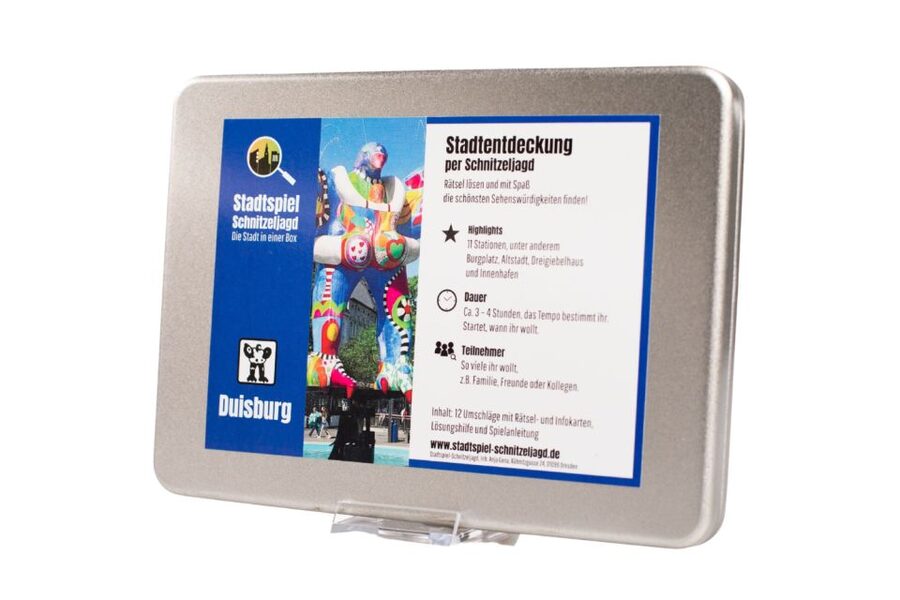
Then you move into the inner harbor, described as imposing and newly created. A harbor area often changes how a city feels. You get wider views, different angles, and a sense of scale that you don’t get in the tighter streets.
From a game-design point of view, this stop works well late-ish in the route. By then, you’ve already figured out how the envelopes guide you. You’re also warmed up from the earlier sights, so the harbor becomes a real reward rather than just another check-in.
This is also a good moment to slow down for photos. Even without being told to, you’ll likely want to pause because harbor architecture tends to be photogenic from several directions. Let yourself use one or two extra minutes here, since the end of the game still has a memorable design stop.
The Gerhard Richter subway station and the city theater finish
One of the most distinctive parts of this route is the subway station designed by Gerhard Richter. A famous designer name is helpful, but the real value here is that you’re experiencing the artwork in context, not as a far-away museum concept.
Design-focused clues can be tricky if you’re expecting something simple. But even when you don’t know much in advance, the game’s riddles and directions help you engage with what you’re seeing. You’ll likely walk away noticing angles, materials, or visual patterns that you would have missed on a casual pass.
Finally, you’ll make your way through the city theater. This acts like a natural end point: it’s a public cultural space that feels like a finishing chapter to the route you’ve just traced across Duisburg.
If you’re planning the rest of your day, keep in mind you might not want to rush at the end. The game is timed, but the closing sights are the kind you’ll probably want to look at twice.
Timing, pacing, and why 210 minutes is a good target
The planned duration is 210 minutes (about 3.5 hours). Since it’s self-guided, that estimate will flex depending on how long you spend solving riddles, reading facts, and taking photos.
Here’s a practical way to pace yourself: aim for steady progress early, then allow extra time mid-route for the harbor and the design station. Those are the stops where people tend to slow down naturally because the scenes are visually complex.
Also, don’t feel pressured to finish every envelope in one breath. The instructions emphasize that you can pause the game at any time. If you take a break, you’ll usually enjoy the experience more than if you try to force an end time.
Finally, remember there’s no guide to “herd the group.” If you’re with friends, decide upfront how you’ll handle disagreements over directions or answers. That keeps the game fun instead of turning it into a debate marathon.
Price and value: $47 per group up to 10
At $47 per group up to 10, this is priced like something you can do without feeling like you need to plan every minute. The key for value is that you’re paying for the game box and its envelope contents—not for a guide time slot.
For couples or small friend groups, it can feel like a bargain if you’re using the full 3.5-hour window and actually enjoy the puzzle format. For bigger groups, the per-group structure helps too: you can keep costs under control while everyone stays engaged.
Whether it feels worth it depends on what you enjoy:
- If you like walking, solving, and learning small bits at each stop, you’ll likely get your money’s worth fast.
- If you already know Duisburg inside out, you may feel the game is more repetitive and less surprising.
That balance is reflected in the feedback. One German reviewer loved it and said it was great fun. Another reviewer felt it was fairly boring for people who already know Duisburg, and that newer Duisburg visitors lost interest after about 1.5 hours. That doesn’t mean the game is bad—it means it’s best matched to the right kind of curiosity.
Who this scavenger hunt suits best
This works best for you if you want flexibility and you like turning sightseeing into an activity. It’s also a strong choice if you’re traveling with mixed ages or different interests, because everyone can participate at the pace that suits them.
It’s especially good if you:
- Want to see major sights without paying for a guided tour
- Prefer hands-on learning (riddle → answer → fact)
- Like an organized route but hate rigid schedules
You might rethink it if:
- You’re visiting Duisburg with deep prior knowledge and already know the city center well
- Your group gets tired quickly of puzzles, reading, or structured problem-solving
- You’d rather have a human guide explain everything verbally (this experience has no tour-guide)
Quick practical tips before you go
Bring comfortable shoes—you’re walking between multiple central stops. Also bring the game box you received by mail. Since the box is shipped and you can’t pick it up in Duisburg, plan for the time it takes to arrive.
One more smart move: check that your group has what you need for the walk (water, phone charge for photos). The game itself provides directions and facts in the envelopes, plus an emergency envelope with all solutions if you hit a wall.
Should you book Duisburg: Scavenger Hunt Self-Guided Tour?
Book it if you want a playful, independent way to see Duisburg’s highlights in about half a day. At $47 per group up to 10, you’re buying a walkable route plus 11 sealed riddles with built-in background info. The payoff is strongest for first-timers or anyone who enjoys solving clues as they go.
Skip it or choose a different format if your main goal is guided storytelling or if you already know Duisburg well. In that case, the puzzle structure can feel limiting after a short time.
If you’re the type who likes to look for answers while you walk, you’ll probably have a good time here—especially with the Lifesaver fountain and that Gerhard Richter subway station in the mix.
FAQ
Do I need a guide for this Duisburg scavenger hunt?
No. There is no guide at the meeting point. You start on your chosen date and time and follow the instructions inside your game box.
How long does the scavenger hunt take?
The duration is listed as 210 minutes.
Where do I start the tour?
You start in front of the Tourist Information Center on Königstraße.
What happens if I get stuck during the game?
Your city game box includes an emergency envelope with all solutions.
Are entrance fees or transport included?
No. Entrance fees and transportation tickets are not included.
What is the price?
It costs $47 per group (up to 10 people).