REVIEW · AKAROA
Discover Akaroa: Self Guided Audio Tour
Book on Viator →Operated by Citywalksz Ltd · Bookable on Viator
Akaroa feels made for wandering. This self-guided MP3 audio tour uses a GPS map so you can follow the harbor and old-town spots at your own speed, without joining a group. You’ll get a lively narration, plus turn-by-turn guidance tied to real places in the town center.
I love the way the stops connect the scenery to story: volcanic hills and bay views alongside the town’s French and maritime past. I also like the built-in pacing. Each highlight is timed so you know when to slow down, when to move, and when to simply look out over the water. One catch: the experience depends on downloading audio ahead of time, and the download can be the part that causes stress if you’re relying on spotty internet.
In This Review
- Key things to know before you go
- Akaroa audio guide: turning a phone into your walking companion
- Where you start and how to plan your 1–3 hour loop
- Stop by stop: what each highlight is really good for
- Akaroa Museum and the War Memorial focus
- The six-sided Akaroa Lighthouse and its wooden story
- Banks Peninsula War Memorial and Grounds: another layer of remembrance
- St Patrick’s Catholic Church: a quieter town-center stop
- The Giants House, town wharf, and the whaling try pots
- Old French cemetery, French forecourt, and Rue Jolie
- Old Lighthouse and the end at Akaroa Lighthouse
- Why the sound effects and pacing make a difference
- Price and value: is $15.29 a good deal?
- Getting it to work smoothly: download, offline audio, and phone basics
- Who this self-guided tour suits best
- Should you book the Discover Akaroa self-guided audio tour?
- FAQ
- How long does the Discover Akaroa audio tour take?
- Where does the tour start and end?
- What’s included with the tour?
- Are admission fees included?
- What language is the tour available in?
- Do I need my own audio device?
- Can I cancel if my plans change?
Key things to know before you go
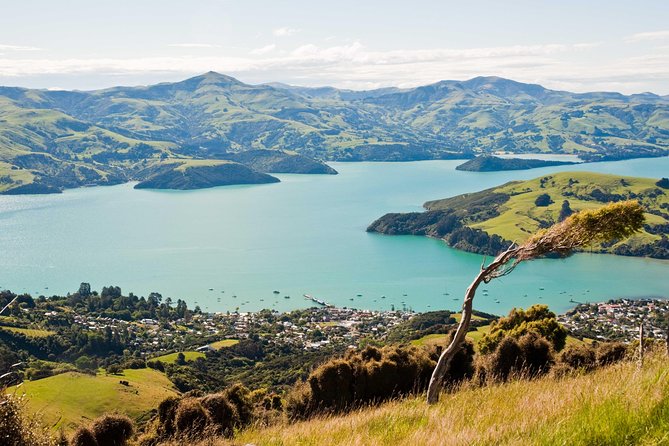
- MP3 + GPS map: your phone becomes the guide, with locations built in
- About 1 to 3 hours: enough time for a relaxed town loop, not a half-day mission
- Major landmarks included: Akaroa Museum, the six-sided Lighthouse, war memorial grounds, St Patrick’s church, and more
- No admission included: some places may require separate entry fees
- English only: plan accordingly if you need another language
- Bring your own audio device: the tour gives files and a map, not headphones or a player
Akaroa audio guide: turning a phone into your walking companion
If you like travel where you can pause whenever your eyes catch something, this format fits Akaroa well. The town is small enough that you can actually follow the route without feeling rushed. And the sound guide helps you understand what you’re seeing while you walk, so you’re not just ticking off buildings.
The core idea is simple: download the audio files and a GPS map before you start, then follow the sequence of stops. You’ll be guided through a mix of memorials, churches, streets, and waterfront landmarks—plus the kind of “in-between” moments that make small coastal towns memorable.
Two practical notes matter here. First, audio device not included, so bring a phone (and ideally headphones). Second, you’ll want the audio ready before you arrive. This tour is set up for offline use, but it only works if the downloading is done ahead of time.
Where you start and how to plan your 1–3 hour loop
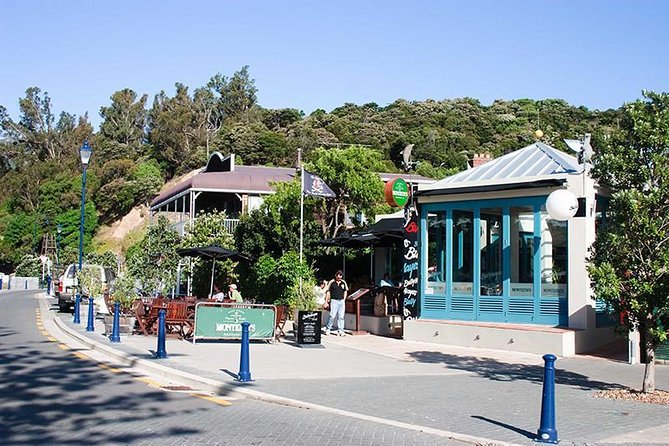
The tour gives you a start point and an end point, but it’s still self-paced. You start at 91 Rue Lavaud, Akaroa 7520, and you finish at Akaroa Lighthouse, 145 Beach Road, Akaroa 7520. In other words, you’re not locked into a bus-and-guide schedule. You can stretch the walking, linger near the harbor, and still end at the lighthouse.
The “about 1 to 3 hours” window is a useful frame. If you keep moving between highlights, you can do it on the short end. If you stop for views and read what you want on the ground, it stretches toward the longer end. Either way, this isn’t the kind of tour where you need to rush just to stay on track.
Also check your footing and energy level. The tour lists moderate physical fitness as the expectation. In a seaside town, that usually means you should be comfortable with a decent walking circuit and uneven sidewalks or ramps.
Stop by stop: what each highlight is really good for
Akaroa Museum and the War Memorial focus
Your route begins around Akaroa Museum, with a first stop that includes the War Memorial of Akaroa. Even if you’re not the type to spend time reading memorial plaques, this stop has value because it anchors the town’s identity. Akaroa isn’t only scenery; it has a history shaped by conflict and community life.
The time block is about 15 minutes, and that’s deliberate. You’re not expected to do a full museum day. You’re meant to get enough context to make the rest of the walk land better—especially as the tour shifts into more landmarks tied to identity and heritage.
Potential drawback: admission fees are not included. If you want to go beyond the memorial area into museum exhibits, you may need extra money and time that aren’t built into the audio segment.
The six-sided Akaroa Lighthouse and its wooden story
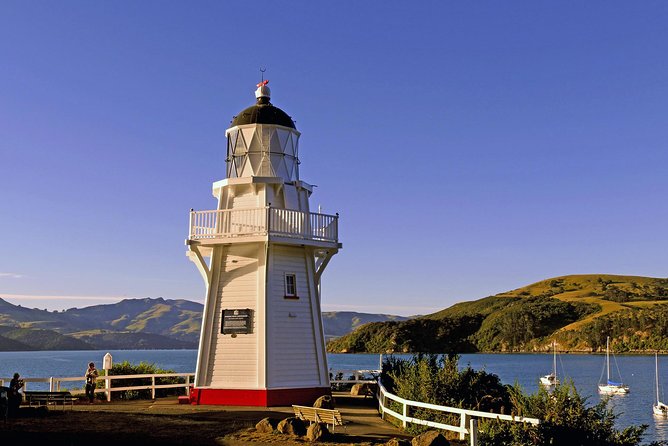
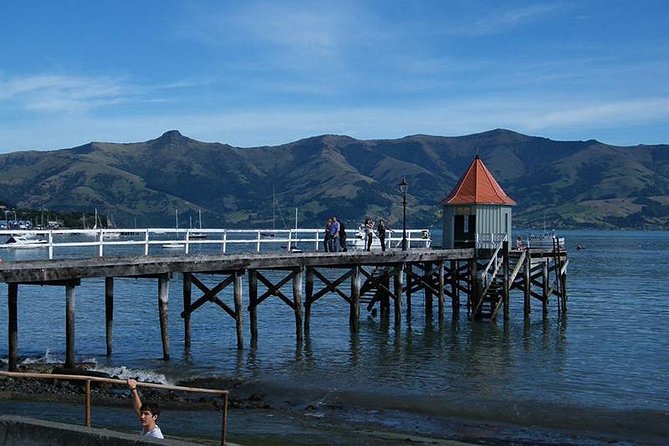
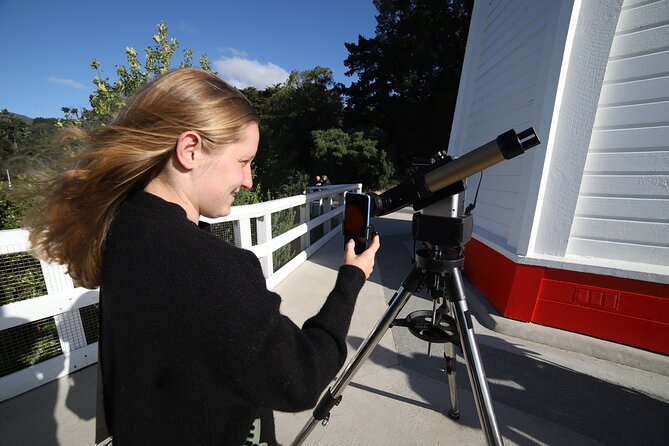
Next up is the Akaroa Lighthouse, described as a six-sided wooden lighthouse. This is one of those places where the audio really helps. A lighthouse can look simple at first glance, but the history adds texture—especially in a town that carries both local New Zealand life and French influences.
This stop is also set for about 15 minutes. I like this kind of timing for viewpoints and heritage buildings because it nudges you to look closely without turning it into a slog. And since the lighthouse is at the end of the walking story, you’ll also feel the “arriving” effect: you end where the route wants you to end.
Important practical point: again, admission isn’t included. If the lighthouse area requires entry for full access, check before you expect to go inside.
Banks Peninsula War Memorial and Grounds: another layer of remembrance
Later, the route revisits war history at the Banks Peninsula War Memorial and Grounds. This second memorial stop may sound redundant, but it usually isn’t. The benefit is contrast: you get a broader sense of remembrance tied specifically to the Banks Peninsula region, not just the immediate town.
It’s also another chance to step back, look around, and take in the setting. Memorials often sit where people can pause and reflect—outdoors, with sky and sea doing part of the emotional work for you.
As with other stops, the audio time is short (around 15 minutes). So keep it realistic: you’ll get the guided meaning, not an all-day history project.
St Patrick’s Catholic Church: a quieter town-center stop
Then comes St. Patrick’s Catholic Church (St Patrick’s Parish). A church stop is a nice change of pace from waterfront and memorial sites. It gives you a sense of the everyday community side of Akaroa—what locals worshipped, built, and kept going.
The audio keeps the stop to about 15 minutes, which is ideal for a walking tour. You get enough story to notice details you might otherwise overlook, and then you move on while you still have energy.
Potential consideration: since admission isn’t included, and this is a church visit, you may find access follows local hours and any ongoing services. Use the timing as a suggestion, not a guarantee of being able to go inside everywhere.
The Giants House, town wharf, and the whaling try pots
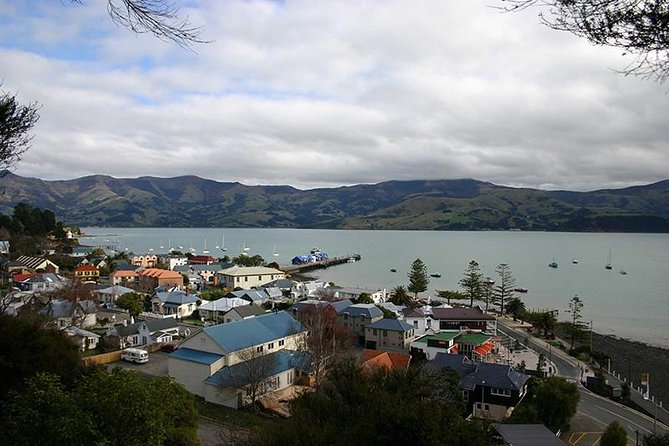
As the route heads through the heart of town, you’ll hit several linked stops: the Town Wharf, the Whaling Try Pots, and The Giants House, plus the Corner of Lavaud and Balguerie. This section is where Akaroa starts feeling most “alive.”
The wharf and try pots add a maritime layer that fits perfectly with the dolphin-and-bay reputation. Even if you’re not doing a wildlife cruise that day, these are physical reminders that the sea shaped local work and settlement.
The Giants House is likely the curiosity stop that makes people smile. The name alone sparks questions, and the audio helps you connect it to the broader town character. If you enjoy oddball local landmarks, you’ll probably enjoy this part the most.
Timing here is about 15 minutes as well, which means you’ll get a focused walk-by-and-understand approach. If you want photos at every corner, give yourself a little extra time in your overall plan.
Old French cemetery, French forecourt, and Rue Jolie
Then the route leans into the “Paris of New Zealand” vibe through streets and heritage spaces: the Old French Cemetery, the French Forecourt, and Rue Jolie, alongside the wider old-town atmosphere.
The payoff is noticing how French history is threaded through Akaroa’s identity, not just mentioned once. The audio also connects this French influence to other landmarks, including the lighthouse story and the museum emphasis.
This is a good section for people who like heritage details but don’t want a full guided tour schedule. You can wander at your own pace, and the audio keeps you grounded with the right context.
Potential drawback: it can feel like a lot of “named places” in a compact area. If you’re the type who likes to read deeply on-site, plan a slower pace for this section.
Old Lighthouse and the end at Akaroa Lighthouse
Near the end, the route includes the Old Lighthouse and finishes at the Akaroa Lighthouse. The structure matters. Ending with the lighthouse gives you a strong visual climax and a satisfying way to close the loop.
This is also where the “self-guided” advantage really shows. If you want a last look at the harbor or the bay horizon, you’re not waiting for a guide to move you along. You decide when you’re done.
Why the sound effects and pacing make a difference
One of the best parts of this kind of audio tour isn’t only narration—it’s how the experience transitions between stops. The audio includes sound effects, and that does more than entertain. It helps your brain build a mental picture of what’s being described while your eyes line up the real place.
The time-based structure helps too. When a stop is roughly 15 minutes, you know the game plan. You’re less likely to wander off-route without realizing it, and you’re less likely to get stuck in one spot too long.
That pacing also makes the route easier for first-time visitors. If you’re new to Akaroa, you don’t need to figure out the whole town layout first. You just follow the next highlight, with the map doing the heavy lift.
Price and value: is $15.29 a good deal?
At $15.29 per person, this is priced like a low-cost “no-fuss guide” rather than a premium tour with a live escort. For me, the value depends on whether you’ll actually use the audio and walk the route.
Here’s what makes it good value:
- You’re paying for audio files and a GPS map that help you move around and understand what you’re seeing.
- The loop is designed for about 1 to 3 hours, so it fits into a day without forcing a big time commitment.
- You control pacing, which saves you from the classic tour problem: you spend more time waiting than seeing.
Here’s the cost reality to watch:
- Admission fees are not included. If you decide to go inside museums or paid attractions, your total day cost may rise.
- You’ll need your own audio device (phone and headphones). That’s not a problem for most people, but it’s a real requirement.
- If you forget to download ahead of time, you could end up paying for data or losing time troubleshooting. Plan for offline access.
Overall, if you want an independent walking experience that still feels informed, this is a fair price.
Getting it to work smoothly: download, offline audio, and phone basics
This tour’s main “tech step” is the download. The instructions tell you to download the audio file and get it ready before you start. The lesson is simple: don’t rely on getting online mid-walk.
I strongly suggest you do this:
- Download before you arrive in town, on Wi-Fi if possible.
- Make sure your phone has enough storage for audio.
- Test the audio once so you know it’s playing through your headphones.
Also, the tour is available only in English, and confirmation happens at booking. That means you can treat it like a planned self-guided activity, not a last-minute gamble.
If you’ve got a low-data plan, offline readiness becomes even more important. The experience works best when the phone doesn’t have to think about connectivity while you’re walking.
Who this self-guided tour suits best

This is a great fit if you:
- Like walking at your own pace
- Want context for memorials, church architecture, and French heritage
- Prefer an easy plan that still feels meaningful
- Are visiting for a short window and don’t want to book a timed guided group
It may not be the best match if you:
- Really hate using your phone for audio navigation
- Need constant live help or explanations on demand
- Are hoping admission is included for every stop
And because the route assumes moderate walking, it’s best for people who feel comfortable moving around the town center and waterfront area.
Should you book the Discover Akaroa self-guided audio tour?
Book it if you want an organized walking route with narration that helps you interpret what you see. The format is ideal for Akaroa because the town rewards wandering, and the lighthouse, memorials, and French-influenced streets give you clear story anchors as you go.
Skip it or reconsider if you’re worried about tech hassles, because the entire experience depends on having the audio ready in advance. If that part is under control, you’ll likely love the freedom: you can spend time on the wharf, linger at memorial grounds, and still end at the lighthouse without racing a schedule.
In short: this is a practical way to get more from a small seaside town in a few hours, without paying for a live guide.
FAQ
How long does the Discover Akaroa audio tour take?
It takes about 1 to 3 hours.
Where does the tour start and end?
You start at 91 Rue Lavaud, Akaroa 7520 and end at Akaroa Lighthouse, 145 Beach Road, Akaroa 7520.
What’s included with the tour?
You get audio files and a GPS map, and the tour is self-paced.
Are admission fees included?
No. Admission fees are not included, and some stops note admission is not included.
What language is the tour available in?
The tour is available only in English.
Do I need my own audio device?
Yes. The tour lists that an audio device is not included, so you’ll need your own phone or similar device.
Can I cancel if my plans change?
Yes. You can get a free cancellation refund if you cancel up to 24 hours before the experience start time.