REVIEW · BIG BEND NATIONAL PARK
Big Bend National Park Self-Guided Driving Audio Tour
Book on Viator →Operated by Drive with Action · Bookable on Viator
One desert drive, with 90+ story stops to guide you. I like the hands-free audio and the pace—you move through Big Bend without feeling rushed or lost. You get smart context on fossils, ranching, and the Rio Grande, plus practical signage-style stop planning.
Two specific things I love: first, the route is built to fit a 2–3 hour visit, so you don’t need to turn your whole day into a project. Second, the narration ties the scenery to real details, like why the Chisos Mountains are a forest in the middle of desert and how Big Bend’s past shaped places like Terlingua.
One drawback to keep in mind: the audio tour covers a lot of viewpoints, but Big Bend National Park entry and a couple exhibit admissions are not included, so you’ll want your park pass ready before you start.
In This Review
- Key highlights
- Big Bend in 2 to 3 hours: why this audio road trip works
- Price and value: $16.99 per group makes sense for a car
- How you use it: download, then let the GPS run the show
- Start near Alpine and finish at Santa Elena Canyon
- Stop-by-stop audio plan: what you’ll learn at each stop
- Fossil Bone Exhibit: start with deep time (and an optional extra detour)
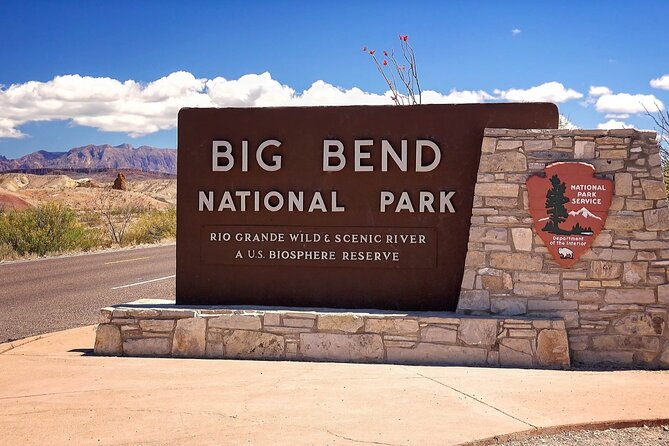
- Entrance Station: the simple gateway with a desert vibe
- Chihuahuan Desert: huge scale, small-name origin
- Sierra Del Carmen: remote on the Mexican side of the Rio Grande
- Chisos Mountains: a sky island where forest survives
- Fossil Discovery Exhibit: replicas, 1,200 fossils, and a rare time period
- Avery Canyon: ranching, railroads, and a county shaped by tracks
- Chisos Mountains scenery chapter: mist, crags, and wildlife habitat
- Ross Maxwell Scenic Drive: views on demand with pullouts
- Marfa Lights viewing area: a night-mystery story with a local origin
- Sam Nail Ranch: ranch scale and World War I era pressures
- Lower Burro Mesa Pour-off Trail: chert, spearheads, and 13,000 years
- Homer Wilson Ranch: Blue Creek Valley and a WWI veteran’s choice
- Sotol Vista: mountains silhouetted against desert spread
- Mule Ears Spring Trail: rhyolite and the dikes that shaped the ears
- Terlingua Ghost Town: tres lenguas and a mining-to-ghost-town arc
- Tuff Canyon Overlook: red and tan rock with volcanic clues
- Cerro Castellan: a photo magnet with unanswered questions
- Castolon Historic District: few structures, big meaning
- Santa Elena Canyon river access and the canyon itself
- Practical tips so you don’t waste a minute
- Does it fit you? Who this audio tour is for
- Should you book this Big Bend self-guided audio tour?
- FAQ
- How long does the Big Bend National Park self-guided driving audio tour take?
- Is the audio tour available offline?
- Do I need a park entrance pass?
- Is the tour narrated hands-free?
- How do I start the tour when I arrive?
- What’s the price for this tour?
- Where does the tour start and end?
- What devices are recommended for the tour app?
Key highlights
- GPS-triggered, hands-free audio that plays as you move, so you can focus on the road and stops
- Offline maps and offline playback after you download on solid Wi‑Fi/cellular
- Lifetime access with no expiry, so you can repeat it on future trips
- A good hit list of Big Bend themes: fossils, ranch history, desert geology, and the Rio Grande
- Frequent pullouts on drives like Ross Maxwell Scenic Drive for quick photos without parking stress
- A main route plus a detour option, so you can stretch the trip if you want more
Big Bend in 2 to 3 hours: why this audio road trip works

Big Bend can feel huge the moment you arrive. This tour respects that reality by building a drive you can actually finish in one go. The loop is about 72 miles, and the audio plan runs roughly 2–3 hours, depending on how long you linger at each stop.
What you’ll like most is the rhythm. The stories are short enough that you keep moving, but they’re long enough to explain what you’re looking at. That matters in Big Bend, where the terrain is dramatic but the meaning isn’t always obvious from the first glance.
Also, you’re not stuck at one place waiting for a bus or a guide. You can pause for a snack, step out for a look, and restart when you’re ready. For a road trip, that freedom is real value.
Price and value: $16.99 per group makes sense for a car
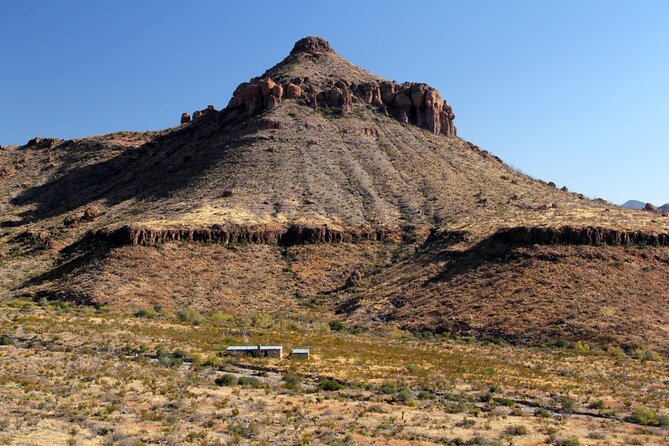
At $16.99 per group (up to 4), you’re basically paying for an extra “smart co-pilot” in the vehicle, not a full guided tour. Since Big Bend entry is separate, this isn’t a bargain for people who want someone to manage tickets and timing for them. But if you’re already doing your own driving, this can be a cost-effective way to make the scenery feel purposeful.
You also get lifetime access. If you visit Big Bend again, or you drive friends through, you won’t have to buy anything new. That’s a strong buy for anyone who tends to return to places and wants a different angle on the same roads.
How you use it: download, then let the GPS run the show
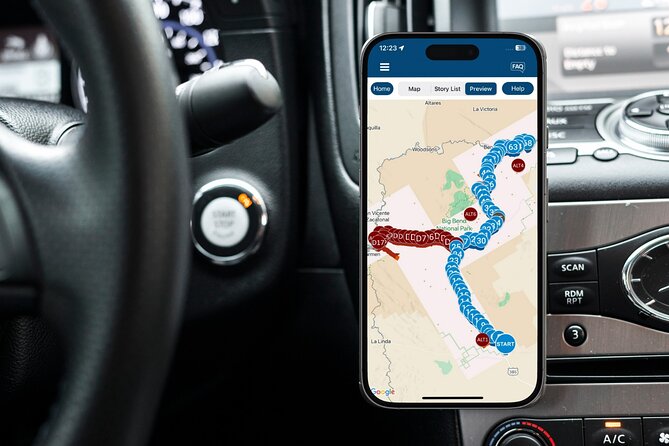
This is a private self-guided activity—no meeting up with anyone. When you arrive, you simply go to the starting point and start the audio app. The audio is designed to play automatically based on your location, which is exactly how you want an audio driving tour to work.
A few practical points I’d treat like non-negotiables:
- Download the tour while you have strong Wi‑Fi/cellular. After that, it works offline.
- Use your phone with your car stereo via Bluetooth, USB, or AUX for smooth listening while driving.
- If you plan to do short walks at viewpoints, consider headphones so you can hear clearly without shouting over the outdoors.
For devices, the tour lists iPhones on iOS 15+ and Android on version 9+, or an iPad/tablet with GPS and cellular connectivity as recommended for navigation. You’ll also want to keep an eye on phone battery—Big Bend views are great, but you don’t want your screen dying mid-route.
Start near Alpine and finish at Santa Elena Canyon
The tour starts at the Big Bend National Park Sign near Alpine, TX 79830, and it finishes at the Santa Elena Canyon Trail in Terlingua, TX 79852. There’s no staff waiting at the start, so be ready to start the app on your own.
Timing can be flexible while you’re on the road, but the listed operating window for the experience is 8:00 AM to 4:00 PM, running throughout the season range shown. If you like late-day golden light, you’ll still want to make sure you’re on schedule to complete the drive comfortably.
Stop-by-stop audio plan: what you’ll learn at each stop
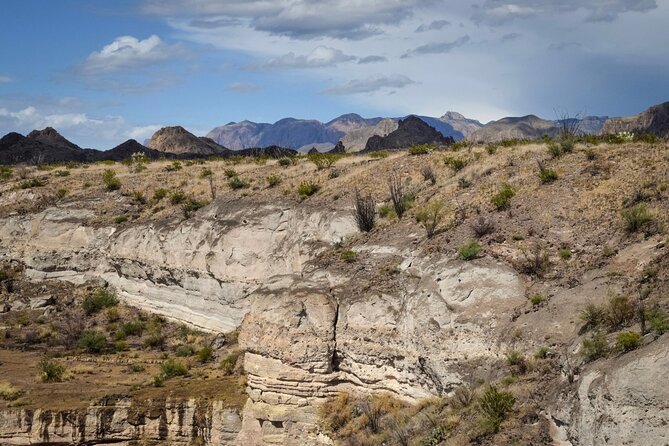
The narration covers a lot of Big Bend territory themes, not just names. Here’s what you can expect as you work your way through the route.
Fossil Bone Exhibit: start with deep time (and an optional extra detour)
Your first stop is the Big Bend National Park – Fossil Bone Exhibit. This is a strong opener because it frames Big Bend as a place where ancient life left real traces. The tour also mentions a hot springs hiking trail and the remains of a historic village by the Rio Grande, plus an opportunity for a roughly one-hour detour partway through if you want to extend your journey.
Two things to know up front:
- The exhibit itself lists admission not included, so plan on separate entry if you want to go in.
- If you feel short on time, you can still treat this as an interpretive start point and move on.
Entrance Station: the simple gateway with a desert vibe
The Entrance Station near Alpine is a quick stop. It’s a modest structure with a rustic look, and the audio uses it to ground you: you’re entering a remote park built for long drives, not quick city hops. This one is mostly for context—about 5 minutes, free, and easy to fit in.
Chihuahuan Desert: huge scale, small-name origin
Next up is the Chihuahuan Desert. The narration leans into scale—so big that France could fit inside it, basically. More interesting is how the story connects geography to language: it explains why the Chihuahuan Desert lends its name to the Mexican state of Chihuahua, and even ties the name of the chihuahua breed back to that broader region.
This is a good stop to listen with the windows open. You’ll hear about how the desert got its name, then step out and realize the desert here is not “cute.” It’s serious and wide.
Sierra Del Carmen: remote on the Mexican side of the Rio Grande
The Sierra Del Carmen segment focuses on remoteness. It borders the park along the Mexican side of the Rio Grande, with no rivers, roads, or towns in the Sierra. If you like geography stories—how physical barriers shape history—this chapter is worth your full attention.
It’s short (about 5 minutes), but it sets up why Big Bend has such a distinctive sense of distance.
Chisos Mountains: a sky island where forest survives
Then the tour flips the script with the Chisos Mountains. The audio notes that much of Big Bend is desert, but the Chisos are forested because they’re a sky island—a pocket of different conditions surrounded by drier country.
It also explains the name connection to the Chisos tribe. In other words, you’re not just learning weather patterns; you’re learning why this green pocket exists and what it’s called.
Fossil Discovery Exhibit: replicas, 1,200 fossils, and a rare time period
Opened in 2017, the Fossil Discovery Exhibit is all about fossils made public through replicas of famous finds. The audio claims paleontologists here have excavated more than 1,200 fossils, and it highlights something unusual: Big Bend is described as the only National Park where they’ve found rocks from the Cretaceous period.
Admission at this stop is listed as not included, so think of it as optional unless you really want the exhibit piece.
Avery Canyon: ranching, railroads, and a county shaped by tracks
At Avery Canyon, the tour shifts to settlement history. It’s named after J.C. Avery, a rancher active around the dawn of the 1900s. The narration then brings in the railroad story—how expanding tracks helped settlements grow, mentioning Marathon in the 1880s and the idea that about 4,000 miles of tracks contributed to forming Brewster County (the county you’re driving through).
If you’ve ever driven through Texas and wondered why some places feel suddenly more connected than others, this chapter answers that.
Chisos Mountains scenery chapter: mist, crags, and wildlife habitat
There’s also a scenery-focused Chisos chapter that emphasizes the contrast: mist can shroud the peaks, rocky crags and green areas support wildlife, and trails can show dramatic views with deep canyons and the Rio Grande.
This is the part of the tour where you should slow down mentally. The audio sets up what your eyes will catch if the sky cooperates.
Ross Maxwell Scenic Drive: views on demand with pullouts
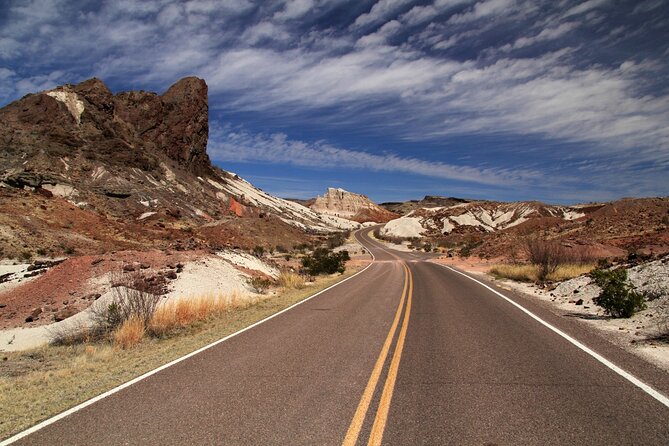
The route includes Ross Maxwell Scenic Drive, described as winding through diverse scenery. You’re promised panoramic views of the Chisos Mountains, Santa Elena Canyon, and the broader Chihuahuan Desert, with frequent scenic pullouts for photos.
This is also where you’ll feel the value of the audio approach. You can stop for a quick look, get the explanation, then get back on the road without guessing.
Marfa Lights viewing area: a night-mystery story with a local origin
Even though you’re doing a daytime drive, the Marfa Lights Viewing Area chapter tells a classic 1883 origin story: a cowhand saw brief flickers of light while driving cattle, assumed it was an Apache fire, and the next day other settlers said they’d also seen the strange lights.
This stop works as a storytelling palette cleanser. If you’re staying in the area overnight, you’ll know what you’re listening for—without turning the whole trip into a night hunt.
Sam Nail Ranch: ranch scale and World War I era pressures
At Sam Nail Ranch, the narration gives you numbers and context: it’s described as a roughly 15,000-acre ranch that operated for nearly 40 years. It also ties a ranching boom to 1916 homesteading patterns, connecting the story to World War I-era encouragement to grow food and conserve resources.
It’s the kind of chapter that makes ranch land feel less abstract when you’re actually looking at Texas terrain.
Lower Burro Mesa Pour-off Trail: chert, spearheads, and 13,000 years
The Lower Burro Mesa Pour-off Trail portion brings prehistory forward. It notes hunter-gatherers around 13,000 years ago finding chert there, a colorful sedimentary rock useful for stone tools like spearheads.
This is one of the tour stops that makes geology feel personal: the ground isn’t just scenery—it’s raw material for survival.
Homer Wilson Ranch: Blue Creek Valley and a WWI veteran’s choice
At Homer Wilson Ranch, you get a view angle on Blue Creek Valley, and the story connects it to settlement in 1929. The audio says Wilson was a World War I veteran looking for a peaceful place to build a home for his family.
It’s a short chapter, but the tone is different here—less geology lesson, more “why someone chose this spot.”
Sotol Vista: mountains silhouetted against desert spread
At Sotol Vista Overlook, the audio promises panoramic desert views with the Chisos Mountains silhouetted against the horizon. You’re also told you can see the Rio Grande and distant canyons.
This stop is ideal for a pause, not just a listen. If you only do one long look, let it be this kind of overlook where the story and the view match.
Mule Ears Spring Trail: rhyolite and the dikes that shaped the ears
The Mule Ears Spring Trail chapter explains the odd rock formation as rhyolite and ties the formation to geological dikes—magma flowing into cracks, cooling, and solidifying.
This is a great stop if you like the “how did that happen?” part of travel. It also helps you look longer at the rock instead of just snapping a photo and moving on.
Terlingua Ghost Town: tres lenguas and a mining-to-ghost-town arc
The tour reaches Terlingua Ghost Town, described as a mining district that became a ghost town. It shares the origin of the name from tres lenguas, referring to three languages spoken during founding: English, Spanish, and Lipan Apache. It also describes the early settlement as a sleepy Mexican village near the Rio Grande.
This stop adds texture if you’ve mostly seen Big Bend as scenery. Now you see it as a place where communities rose near economic opportunity, then changed.
Tuff Canyon Overlook: red and tan rock with volcanic clues
At Tuff Canyon Overlook, you’re told to watch for the colors—red and tan rock—and the mixed look as evidence of volcanic years. The canyon is described as deep and gouged, giving you a strong “read the layers” feeling, even from a viewpoint.
Cerro Castellan: a photo magnet with unanswered questions
The Cerro Castellan segment is structured around curiosity. It’s labeled as a majestic mountain often photographed, then the audio asks questions: how did it form, and what is the red-orange surface made of?
That’s actually a good technique for a self-guided tour. The audio doesn’t just instruct you—it trains you to look.
Castolon Historic District: few structures, big meaning
In Castolon Historic District, the audio warns that it might not look like much at first. But soon you’ll spot historic buildings off to the right, described as some of the only remnants from pre-park days.
This is a “slow down” moment. If you rush past it, you’ll miss the point.
Santa Elena Canyon river access and the canyon itself
Near the end, you get Santa Elena Canyon River Access—the tour says this is your best chance to get up close to the Rio Grande. After that comes the main payoff: Santa Elena Canyon.
The audio promises a jaw-dropping view of limestone cliffs, and adds a striking detail: if you look down, the Rio Grande is described as plunging about 1,500 feet below. It also explains that the tour helps answer how the landscape took on such a dramatic shape.
This is also where you’ll likely feel the tour’s logic. Early chapters teach you about fossils and desert systems. Late chapters focus on the Rio Grande cut and the canyon’s drama. You end at the emotional high point.
Practical tips so you don’t waste a minute
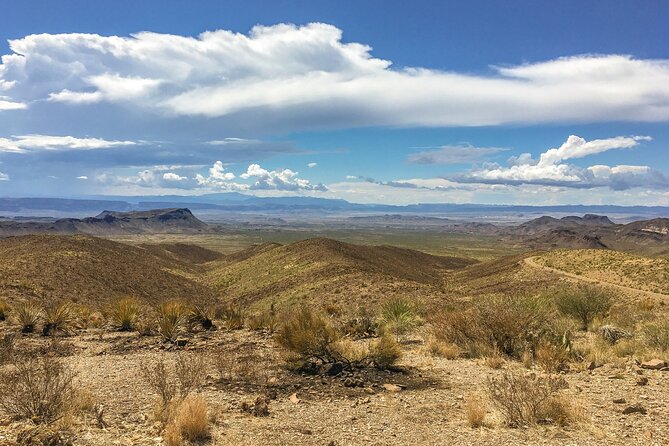
A self-guided drive lives or dies on small choices. Here’s what helps most:
- Download the audio package before you leave good signal. When you’re already inside Big Bend, Wi‑Fi is not something you should count on.
- Use a car connection if possible, then save your headphones for the quick walks.
- Drive the route at a respectful pace. The audio triggers rely on location, and safety matters in a remote park.
- If you want extra time, look for the detour option in the app. The tour information notes a detour that can add about an hour, and the detour route is marked differently.
Also, don’t forget the obvious but easy-to-miss point: the tour itself doesn’t include park entry or exhibit admissions. You’ll need those separately.
Does it fit you? Who this audio tour is for
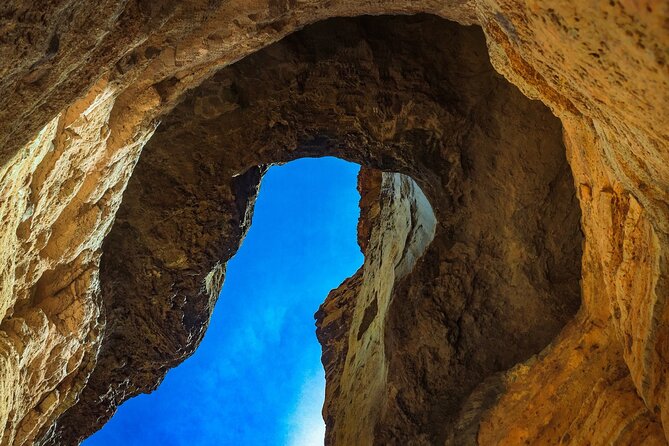
This experience is a great match if you want:
- a self-guided Big Bend drive with structure
- history and science themes without the pressure of a group schedule
- hands-free audio that plays when and where you are
It may be less ideal if you:
- hate driving and prefer to park your brain somewhere and stay
- want only one or two stops (this route covers a lot of ground)
- aren’t prepared for separate park/exhibit tickets
Should you book this Big Bend self-guided audio tour?
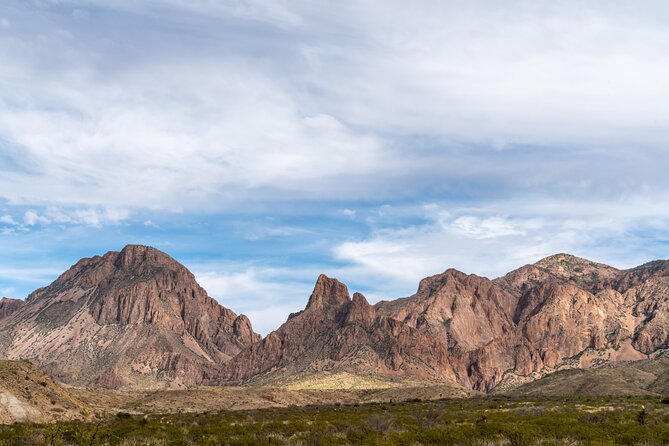
I’d book it if you’re doing a driving trip and you want Big Bend to feel more understandable. The lifetime access, offline setup, and GPS-triggered narration are exactly what make a road trip like this worth doing more than once.
If you already have strong interest in Big Bend’s geology, fossils, desert ecology, and ranching history, this tour turns viewpoints into lessons. If your main goal is a fully unstructured scenic drive with zero planning, you might skip it.
If you do book, plan your timing around park entry and keep your phone charged. Once that’s handled, the drive feels like it has a friend in the passenger seat—talking just long enough to make you stop, look, and move on.
FAQ
How long does the Big Bend National Park self-guided driving audio tour take?
The tour is designed for about 2 to 3 hours to complete, with the route described as about 72 miles.
Is the audio tour available offline?
Yes. The tour includes offline maps, and it works offline after you download the tour using strong Wi‑Fi/cellular.
Do I need a park entrance pass?
Yes. An entrance pass is required to visit Big Bend National Park, and it is not included with the tour.
Is the tour narrated hands-free?
Yes. Audio stories play automatically based on your location, and you can start, pause, and resume at your own pace.
How do I start the tour when I arrive?
Go to the starting point, then open the Action’s Tour Guide App on site. The audio will begin automatically when you are at the first story’s point.
What’s the price for this tour?
It costs $16.99 per group, up to 4 people, and is described as purchase per car.
Where does the tour start and end?
It starts at Big Bend National Park Sign, Alpine, TX 79830 and ends at Santa Elena Canyon Trail, Terlingua, TX 79852.
What devices are recommended for the tour app?
The information lists iPhones running iOS 15 or later, Android devices running version 9 or later, or iPads/tablets with GPS and cellular connectivity as recommended for navigation.